
2026-10-29 Deta Scaffolding Team 1 MIN READ
Industrial Scaffolding Selection Guide: 7 Critical Differences Between Ringlock & Frame Facade Scaffolding
Back to All Posts
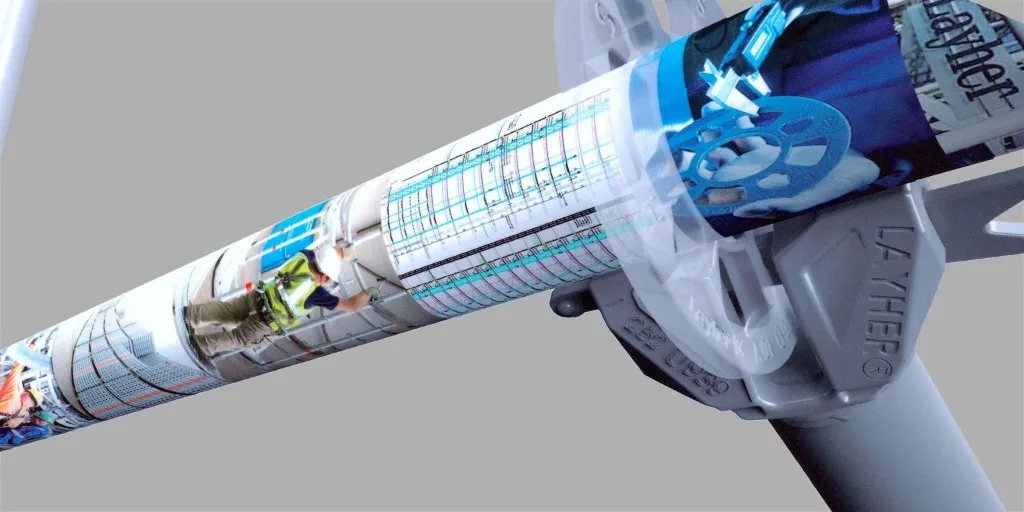
In refineries, petrochemical plants, and power stations, choosing between Ringlock Modular Scaffolding (Layher Allround®) and conventional H-Frame Facade Scaffolding determines turnaround safety and schedule performance.
7 Core Engineering Differences
- 3D Spatial Geometry: 8-way rosette connections (90° and 15°–120° angles) wrap around spherical tanks and pipe racks where 2D frames collide.
- Load Classes (EN 12811-1): Ringlock supports Load Classes 4, 5, and 6 (300–600 kg/m²) and TG 60 shoring (60 kN/leg) vs. Class 3 (200 kg/m²) for facade frames.
- AutoLock™ Wedge Safety: Instant gravity wedge locking approved under DIBt Z-8.22-939.
- S460 MH Lightweight Steel: 12% lighter components with 24% higher bending strength.
- 100m+ Wind Load Resilience: Certified under EN 1991-1-4 and TP-21-012.
- Multi-Application Versatility: Suspended, cantilever, bridging, and circular tank scaffolds from one inventory.
- 30% Faster Turnaround Execution: Eliminates tube-and-clamp modifications in congested process units.
👉 Explore Industrial Scaffolding Products & Systems
AUTHOR & EXPERTISE
Deta Scaffolding Team
This content has been prepared and verified by Deta Industrial technical experts.
Share
#Flanşlı İskele#Endüstriyel İskele#Endüstriyel İskele Firmaları#Güvenlikli İskele#Layher İskele#TS EN 12811