
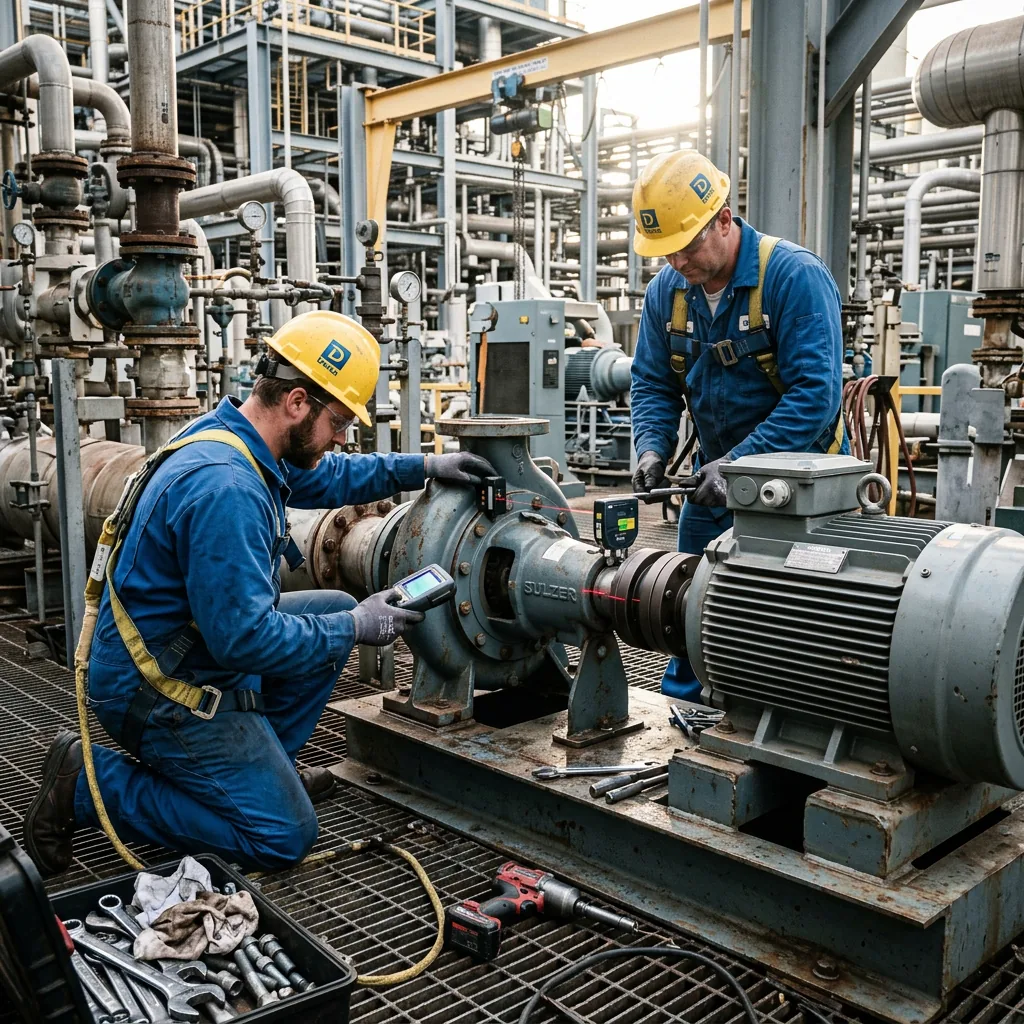
Use of Digital Twin and BIM in Mechanical Assembly: Next Generation Transformation in EPC Projects
Introduction
Mechanical assembly processes in industrial facilities require high precision, correct planning, and interdisciplinary coordination. Especially in EPC (Engineering, Procurement, Construction) projects, the balance of time, cost, and quality is of critical importance. In recent years, two important technologies have emerged that fundamentally change these processes: Digital Twin and BIM (Building Information Modeling).
What are Digital Twin and BIM?
A digital twin is a one-to-one digital representation of a physical system that is synchronized with real-time data. BIM, on the other hand, is a data-based system that models all physical and functional characteristics of the facility, building a bridge between design and implementation.Advantages Provided in Mechanical Assembly
Modern technologies replace traditional paper-based drawings and field errors with error-free and optimized processes.
Clash Detection
Detects physical clashes between pipelines, cable trays, and mechanical equipment on the digital model before going to the field.Predictive Maintenance
Failures are predicted before they occur with real-time sensor data (vibration, temperature, pressure) received via the digital twin.Time and Cost Optimization
Incorrect manufacturing is prevented, material waste is reduced, and the project duration is shortened by simulating the work schedule in the most efficient way.Occupational Safety Simulation
Risky maneuvers and assembly steps in the field are simulated in the digital environment beforehand to minimize dangerous situations.Field Applications and Future Trends
Digital transformation is not only in the office but in the heart of the field.
- AR (Augmented Reality): Engineers can check assembly accuracy instantly by overlaying the digital BIM model on the real environment in the field with AR glasses.
- Tablet and Mobile Use: Every employee in the field can access current revisions and 3D models instantly.
- Drone and Autonomous Systems: While drones track the progress of large industrial areas, cloud-based platforms enable global teams to work on the same model.
CRITICAL NOTE: Data Currency
The success of BIM and Digital Twin technologies depends on processing field changes into the model instantly. A non-updated model can lead to misleading results in the field.Conclusion: Digitalization is No Longer an Option but a Necessity
The use of Digital Twin and BIM in mechanical assembly processes is one of the most important factors providing competitive advantage in industrial projects. For firms wanting to take part in the industrial world of the future, this transformation is the key to sustainable success.
Deta Mechanical Team
This content has been prepared and verified by Deta Industrial technical experts.